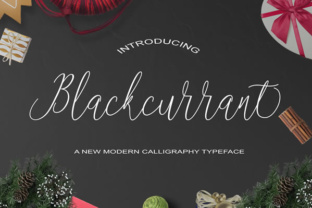
Elevate Your Designs with the Elegant Blackcurrant Font
The right typeface can transform a good design into an unforgettable one, and the Blackcurrant script font is a prime example of this transformative power. Its thin, smooth lines and distinctive varying baseline create an immediate sense of elegance and sophistication, making it a versatile creative asset for designers seeking to add a personal, refined touch to their projects.
Understanding Blackcurrant's Design Anatomy
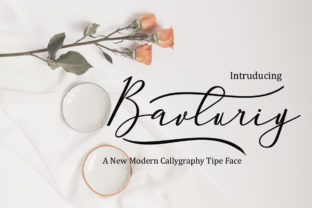
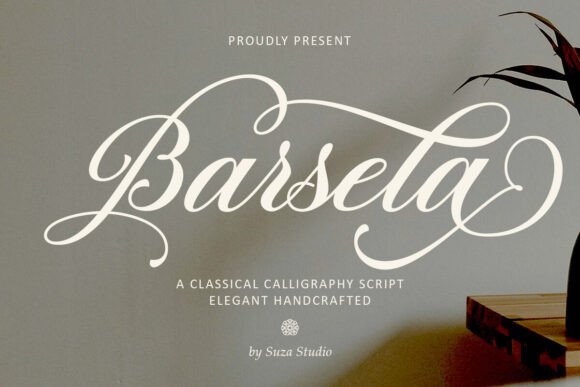
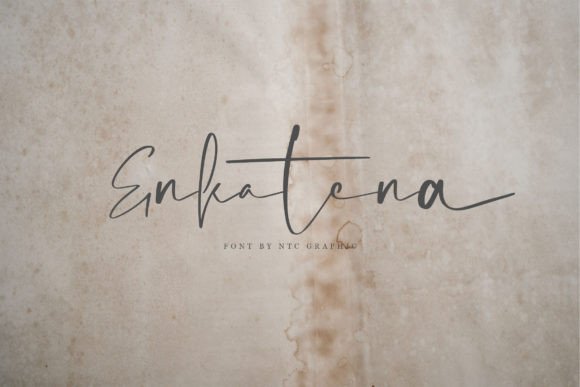
At its core, Blackcurrant is a thin script font celebrated for its fluid, graceful letterforms. The varying baseline is a key feature, giving text a natural, handwritten rhythm that avoids the rigidity of standard fonts. This subtle movement adds a human, artisanal quality to any visual design. Beyond its aesthetic appeal, the font is engineered for professional use, boasting an extensive library of over 420 unique glyphs and 204 alternate characters. This includes initial and terminal letters, stylistic alternates, and essential ligatures, offering unparalleled creative control and customization.
For graphic designers, this depth is crucial. It allows for the creation of truly unique logotypes, monograms, and headlines where no two letters need to look identical. The multilingual support further expands its utility for global branding projects, ensuring consistency across different languages without compromising the design's integrity.
Practical Applications for Modern Design
The versatility of Blackcurrant makes it a valuable tool across a wide spectrum of creative projects. Its elegant personality is not limited to one niche; it enhances communication and brand identity wherever a touch of class is required.
- Branding and Logo Design: Use Blackcurrant to craft distinctive wordmarks or logotypes for beauty brands, boutique agencies, wedding planners, or luxury goods. Its alternates allow you to tailor every letter to the brand's unique voice.
- Marketing and Social Media: Elevate social media graphics, email headers, and digital ads. The font's elegance catches the eye in a crowded feed, improving engagement and conveying a premium brand message.
- Editorial and Packaging Design: Perfect for magazine headlines, book covers, and product packaging. It adds a sophisticated flair to cosmetic labels, gourmet food packaging, and artisanal product tags, enhancing shelf appeal and perceived value.
- Web and UI Design: While best used for headlines or accent text due to its script nature, Blackcurrant can create stunning hero sections, call-to-action buttons, or decorative elements that contribute to a memorable user experience.
Integrating Blackcurrant into Your Design Workflow
Successfully incorporating a display font like Blackcurrant requires thoughtful application. Here are key considerations to ensure it enhances, rather than overwhelms, your design:
- Prioritize Readability and Hierarchy: Use Blackcurrant for short bursts of text—headlines, subheadings, or pull quotes. Pair it with a clean, neutral sans-serif or serif font for body copy to establish a clear visual hierarchy and ensure legibility.
- Consider Context and Audience: Its elegant script style is ideal for audiences appreciating sophistication, creativity, and personal touch. It may be less suitable for highly technical or formal corporate reports where neutrality is key.
- Leverage Alternate Characters: Don't just type with the default letters. Explore the glyph panel to access swashes, ligatures, and alternates. This is how you move from using a font to truly designing with it, creating custom, professional typography.
- Test Scalability and Color: Always test the font at the sizes it will be used. Ensure the thin strokes remain crisp in print and on screen. Experiment with color palettes; Blackcurrant works beautifully with muted tones, metallics, or as a standalone monochrome element.
In the realm of graphic design, typography is a fundamental pillar of visual communication. Choosing a font like Blackcurrant is a strategic decision that injects personality, emotion, and professionalism into a brand's identity. By thoughtfully applying its elegant forms and extensive features, designers and creators can craft more compelling narratives, build stronger brand recognition, and deliver polished, high-quality visual experiences that resonate deeply with their audience. Quality creative assets are investments in clarity and impact, and the right typeface is at the heart of that investment.