Inter: The Elegant Calligraphy Script for Modern Design
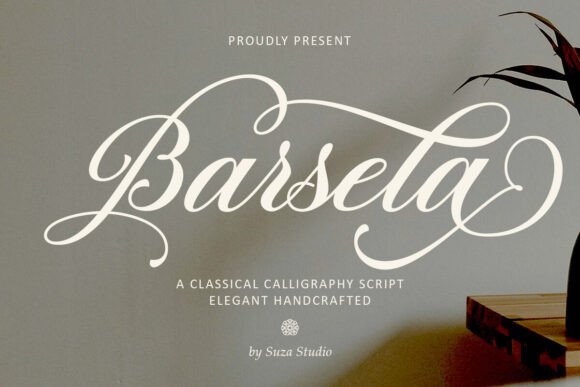
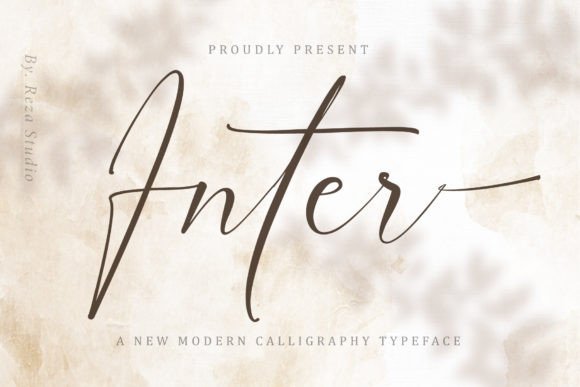
Every designer knows the moment a project demands a typeface that speaks with both sophistication and warmth—something that feels personal yet polished, classic yet contemporary. That’s precisely where Inter excels, offering a calligraphy script that blends the ornate beauty of copperplate tradition with a clean, modern sensibility.
What Makes Inter Stand Out in Typography?
Inter is more than just a script font; it’s a versatile design tool crafted for visual impact. Its characters flow with smooth, connected strokes, creating an inherently readable and elegant rhythm. The font includes multiple style alternatives for many letters, allowing designers to adjust personality and flair without sacrificing consistency. This adaptability makes it ideal for projects where typography needs to convey emotion, luxury, or intimacy.
Practical Applications Across Design Disciplines
The true value of a typeface like Inter lies in its ability to elevate diverse creative projects. Whether you’re refining a brand identity or crafting digital content, its aesthetic qualities support clear communication and visual appeal.
- Branding and Logo Design: Inter’s fluid, feminine curves can soften a brand’s visual identity, adding a touch of elegance to logos, monograms, and wordmarks. Its readability ensures the brand name remains legible even at smaller scales.
- Marketing and Social Media Graphics: For digital marketing, Inter can enhance headlines, quotes, or call-to-action text in social media posts, email banners, and promotional materials. Its stylish appearance helps content stand out in crowded feeds while maintaining a professional tone.
- Web and UI Design: While primarily a display font, Inter can be used sparingly in web design for hero sections, headings, or accent text. Pairing it with a clean sans-serif for body copy creates a balanced visual hierarchy that guides the user’s eye.
- Editorial and Packaging Design: In print, Inter shines on book covers, magazine headers, and product packaging. Its intricate letterforms add a premium feel, making it suitable for luxury goods, wedding stationery, or boutique branding.
Integrating Inter into Your Design Workflow
To use Inter effectively, consider the overall context of your project. Start by evaluating the font’s compatibility with your existing color palette, imagery, and other typographic elements. Consistency is key—ensure that the script complements rather than competes with other visual components.
Always test scalability. A font that looks stunning in a headline may lose detail when scaled down for body text. Use Inter where it can command attention without overwhelming the layout. Pairing it with simpler, geometric typefaces often yields the most balanced results, allowing the script to serve as a focal point while maintaining readability across the design.
Enhancing Visual Communication with Thoughtful Typography
Typography is a cornerstone of visual design, directly influencing user engagement and brand perception. A well-chosen font like Inter does more than decorate—it communicates tone, evokes emotion, and reinforces brand values. Its sensual, glamorous qualities can make a message feel more personal and authentic, which is invaluable in building trust and connection with an audience.
When selecting creative assets, prioritize quality and versatility. Look for fonts that offer multiple weights, styles, or alternatives, as these provide flexibility across different mediums. Consider how the typeface performs in both digital and print environments, and always keep the end-user experience in mind. A font that enhances readability and visual appeal will always contribute to a more professional and polished final product.
In a landscape where design trends evolve rapidly, investing in timeless yet adaptable resources like Inter ensures your work remains relevant and compelling. By thoughtfully integrating such assets into your projects, you not only enhance aesthetic quality but also strengthen the clarity and impact of your visual communication. Ultimately, every design choice—from color to composition to typography—plays a role in telling a cohesive and engaging story.