Writeline: Elevating Visual Design with Modern Script Typography
The right typeface can transform a good design into an unforgettable one, creating an immediate emotional connection that guides the viewer's eye. In the crowded landscape of modern graphic design, where visual hierarchy and brand personality are paramount, selecting a font that balances elegance with practical application is a critical creative decision. This is where a versatile script like Writeline becomes an invaluable asset for designers and creators.
Understanding Writeline's Role in Visual Communication
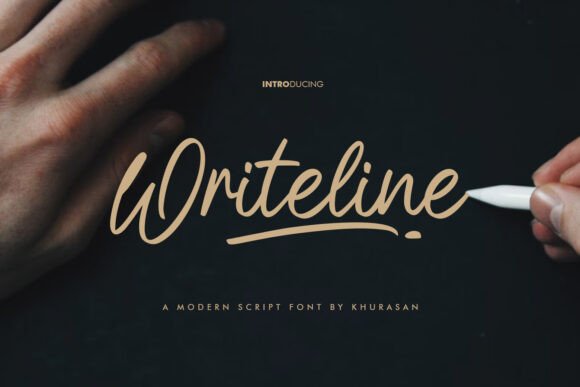
Writeline is a clean, stylish, modern, and elegant script handwriting font designed to inject personality and sophistication into a wide array of creative projects. Its flowing, yet legible letterforms bridge the gap between casual authenticity and professional polish. In typography, script fonts are often used to evoke specific emotions—warmth, creativity, or luxury—making them powerful tools for visual storytelling and establishing a distinct brand identity.
Unlike overly ornate scripts that can sacrifice readability, Writeline maintains clarity, ensuring your message is communicated effectively. This makes it a practical choice for both digital and print design, where text must perform reliably across various sizes and mediums.
Practical Applications Across Creative Projects
The true value of a creative asset lies in its adaptability. Writeline’s design allows it to be matched to an incredibly large set of projects, enhancing visual appeal without overwhelming other design elements. Consider its applications in these key areas:
- Branding and Logo Design: Use Writeline to craft memorable wordmarks or complementary scripts that convey elegance and approachability, helping to strengthen overall brand identity.
- Marketing Materials: From posters and banners to flyers, its stylish character captures attention in advertising campaigns and event promotions.
- Social Media Content: Create eye-catching quotes, announcements, and story graphics that stand out in fast-scrolling feeds, boosting engagement through beautiful typography.
- Editorial and Print Design: Apply it to magazine covers, book titles, or chapter headings to add a touch of sophistication and guide the reader's focus.
- Packaging and Merchandise: Elevate product labels, gift tags, or apparel graphics with a handwritten feel that suggests care and craftsmanship.
- Digital and UI Design: Use it sparingly for featured headlines or call-to-action elements on websites and apps to create visual interest and a human touch.
Tips for Effective Typography Integration
Integrating any script font successfully requires a thoughtful approach to maintain design integrity and usability. First, always prioritize readability. Pair Writeline with a clean, neutral sans-serif or serif font for body text to ensure your content is accessible. Second, consider visual hierarchy. Use the script for key headings or focal points to draw the eye, but avoid setting large blocks of text in it.
Furthermore, evaluate its compatibility with your color palette. Scripts like Writeline often work best with solid, high-contrast backgrounds to ensure the delicate strokes remain legible. Test your designs at various scales to confirm the font remains effective, whether on a small business card or a large banner.
Enhancing Design Workflows with Quality Assets
In a fast-paced design workflow, having access to reliable, high-quality creative assets like Writeline streamlines the process and elevates the final output. It allows designers to quickly inject creativity into projects, from initial concept to final presentation. The font’s modern aesthetics align with current design trends that favor personalized and authentic visual elements, making it a relevant tool for contemporary branding and digital marketing.
Ultimately, the goal of any design is to communicate a message clearly and compellingly. Thoughtful typography choices are fundamental to achieving this, influencing user experience, conveying professionalism, and building emotional resonance. By selecting versatile and well-crafted assets like Writeline, creators can ensure their work not only looks beautiful but also functions effectively, making every visual communication more impactful and memorable.